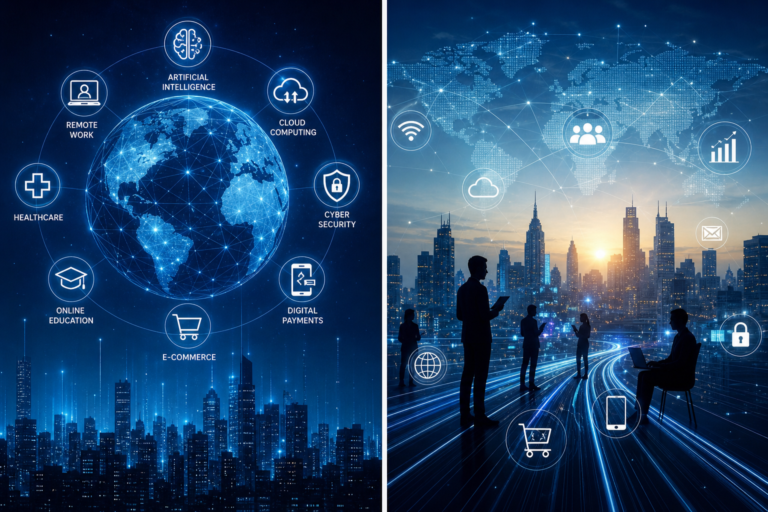
Breaking News: The Rapid Transformation of the Digital World and Its Impact on Society
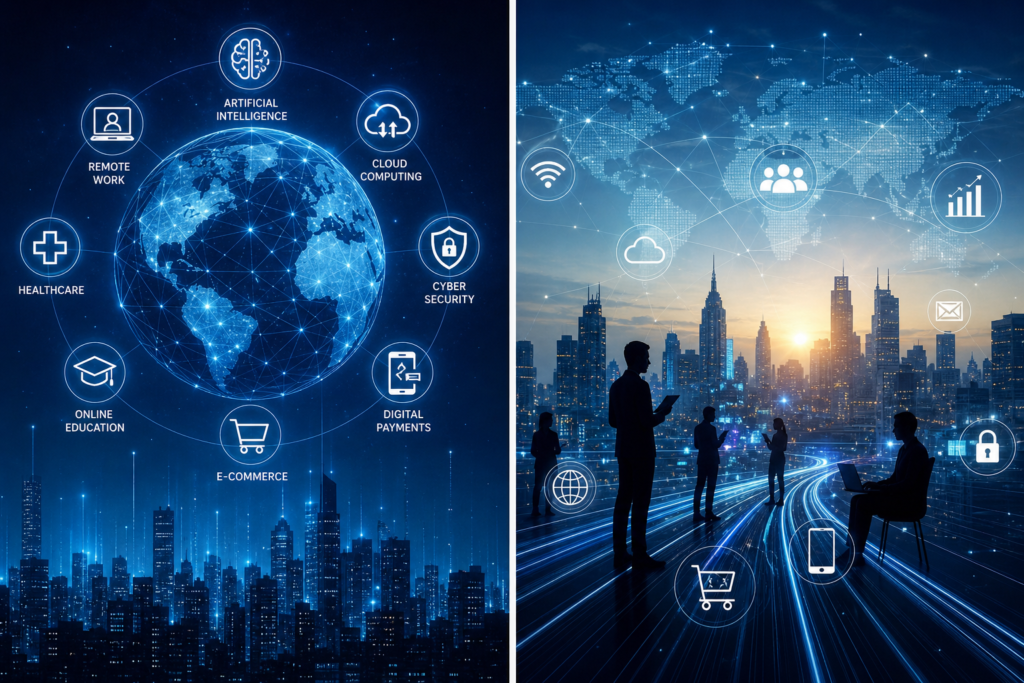
In today’s fast-paced world, the digital landscape is evolving at an unprecedented rate. From artificial intelligence to cloud computing, modern technologies are reshaping how individuals, businesses, and governments operate. This transformation is not only influencing economic growth but also redefining everyday human interactions.
The expansion of digital infrastructure has made it easier than ever for people to connect, communicate, and collaborate across the globe. With increasing internet penetration, even remote regions are gaining access to online services, opening doors to new opportunities in education, healthcare, and entrepreneurship.
One of the most notable developments in recent years is the rise of artificial intelligence. AI-powered systems are now capable of performing complex tasks, analyzing massive datasets, and even making predictions with high accuracy. Industries such as healthcare are leveraging AI to diagnose diseases, while businesses are using it to enhance customer experiences and streamline operations.
Another key trend is the growth of e-commerce. Online shopping platforms have transformed consumer behavior, offering convenience, competitive pricing, and a wide range of products. As a result, traditional retail businesses are adapting by establishing their digital presence and investing in online marketing strategies.
Digital payment systems are also gaining popularity. Mobile banking, contactless payments, and digital wallets have simplified financial transactions, making them faster and more secure. This shift is particularly significant in developing economies, where financial inclusion is improving due to technology.
Education is undergoing a major transformation as well. Online learning platforms are making education more accessible and flexible. Students can now learn at their own pace, access global resources, and participate in virtual classrooms from anywhere in the world.
The workplace is not immune to these changes. Remote work has become a standard practice for many organizations, allowing employees to work from home or any location with an internet connection. This shift is not only improving work-life balance but also reducing operational costs for businesses.
Cybersecurity, however, remains a growing concern. As digital adoption increases, so does the risk of cyber threats. Organizations are investing heavily in security measures to protect sensitive data and maintain user trust. Awareness about online safety is becoming crucial for individuals as well.
Social media platforms continue to play a significant role in shaping public opinion and spreading information. While they offer a powerful tool for communication, they also present challenges such as misinformation and privacy concerns. Managing these issues requires collective efforts from users, platforms, and regulators.
Sustainability is another area where technology is making an impact. Innovations in renewable energy, smart cities, and green technologies are helping reduce environmental footprints. Companies are increasingly adopting sustainable practices to meet global standards and consumer expectations.
Looking ahead, the future of the digital world appears promising yet complex. Emerging technologies such as blockchain, augmented reality, and quantum computing have the potential to bring even more profound changes. However, ensuring equitable access and ethical use of these technologies will be critical.
Governments around the world are implementing policies to support digital growth while addressing challenges related to privacy, security, and digital divide. Collaboration between public and private sectors is essential to build a resilient and inclusive digital ecosystem.
The role of innovation cannot be overstated. Startups and tech entrepreneurs are driving progress by introducing new ideas and solutions. Their contributions are accelerating digital transformation and creating new economic opportunities.
Consumers are also becoming more tech-savvy. With access to information at their fingertips, they are making informed decisions and demanding better services. This shift is pushing companies to prioritize user experience and customer satisfaction.
Healthcare systems are benefiting from digital advancements through telemedicine and remote monitoring. Patients can now consult doctors online, reducing the need for physical visits and improving access to medical services.
Data has become a valuable asset in the digital age. Organizations are using data analytics to gain insights, improve decision-making, and optimize performance. However, managing data responsibly is essential to maintain privacy and trust.
The entertainment industry is also evolving. Streaming platforms, online gaming, and digital content creation are redefining how people consume media. Content creators are leveraging digital tools to reach global audiences and build communities.
As technology continues to advance, the importance of digital literacy is increasing. Individuals need to develop skills to navigate the digital world effectively and safely. Educational institutions and training programs are focusing on equipping people with these skills.
In conclusion, the digital transformation is reshaping every aspect of modern life. While it brings numerous benefits, it also presents challenges that require careful management. Embracing technology responsibly and inclusively will be key to building a sustainable and prosperous future.
Stay updated for more news and insights on the latest developments shaping our world.
#BreakingNews #DigitalTransformation #Technology #Innovation #GlobalTrends #Future #TechNews #OnlineGrowth #AI #Ecommerce #DigitalEra
About the Author